Last updated: Oct 27, 2025
REM vs Deep Sleep: 5 Ways to Optimize Recovery and Focus
Learn the difference between REM and deep sleep, fix your circadian rhythm, and use 5 simple habits to boost recovery, focus, mood, and energy nightly
Author
Dr. Charles Annunziata DC, CFMP
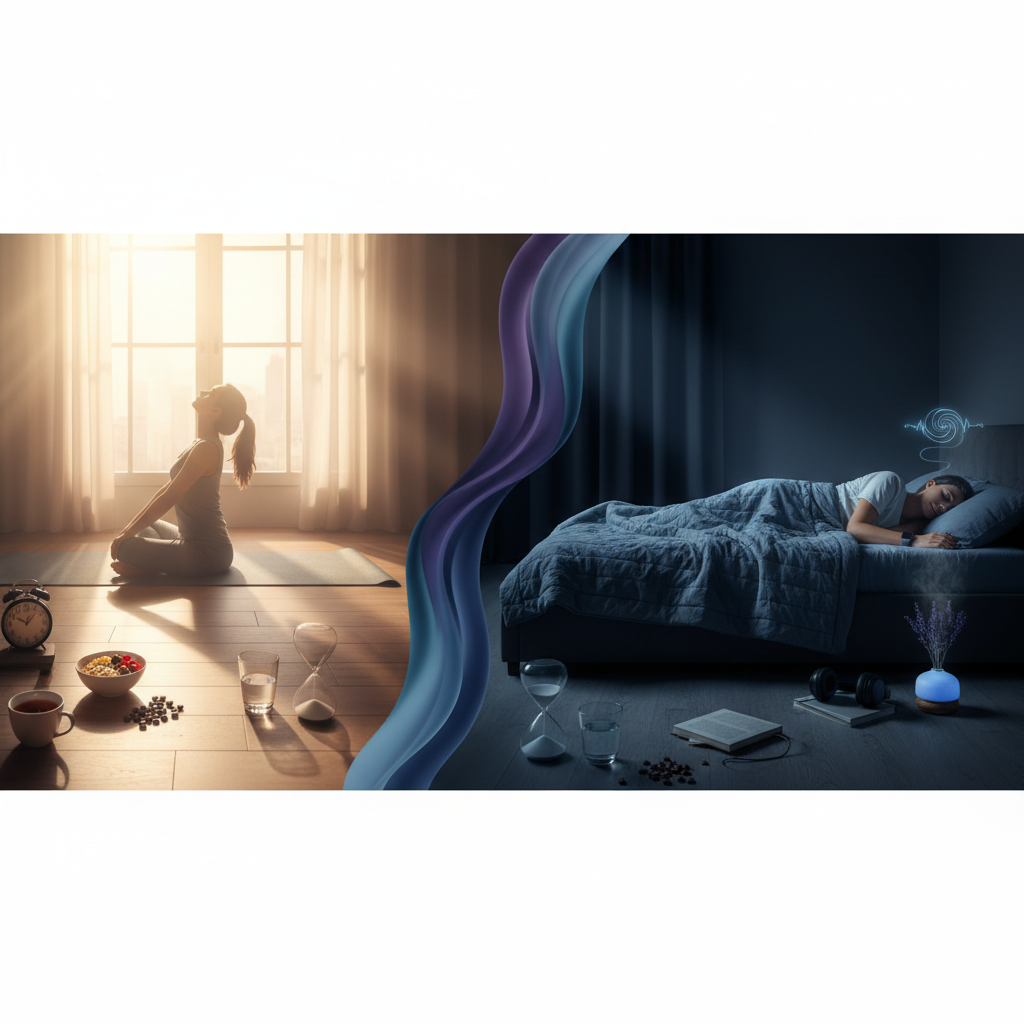
Meet Alex, a busy parent training for a 10K and trying to stay sharp at work. The workouts are solid. The diet is decent. But afternoons still feel foggy and recovery is slow. The fix is not another supplement. It is getting the right mix of REM sleep and deep sleep, guided by a steady circadian rhythm.
REM vs deep sleep in plain English
- Deep sleep is your body’s pit crew. It shows up early in the night and handles tissue repair, immune support, and growth hormone release. This is what turns hard workouts into gains and helps you wake up feeling restored.
- REM sleep is your brain’s editor. It arrives more in the second half of the night and helps with memory consolidation, emotional processing, and creativity.
Most nights also include a big chunk of light sleep, which acts like the on-ramp. If Alex cuts the night short, one or more stages get clipped. That means brain fog, mood swings, poor recovery, and a tougher time sticking to training. Aim for 7 to 9 hours so each stage gets its turn.
Set your clock with daylight
Your circadian rhythm is the body’s 24 hour clock. Think of it like setting the thermostat for your day. If Alex goes outside for natural light within an hour of waking, that morning signal tells the brain when to be alert and when to feel sleepy later. Morning light often improves REM sleep that night. Do it even on cloudy days. Two to ten minutes is better than nothing. Pair it with a short walk or coffee on the porch.
Build a consistent sleep schedule
Consistency is the keystone habit. Alex picks a wake time and protects it, weekends included. Bedtime becomes a backward calculation. Need 8 hours and wake at 6 a.m.? Lights out near 10 p.m.
To make it stick, use a wind down routine for the last 60 minutes:
- Dim lights and avoid screens or use blue light filters
- Keep phones off the bed and charge them across the room
- Do something relaxing like stretching, light reading, journaling, or a breathing drill
These simple sleep hygiene tips lower cortisol and make it easier to fall into deep sleep faster.
Create a recovery friendly bedroom
Alex treats the bedroom like a mini sleep lab.
- Keep it cool at 60 to 67 degrees. Cooler air helps the body slide into slow wave sleep. Think of it like putting leftovers in a fridge so they stay fresh. Your body recovers better in a cool space.
- Make it dark. Block street light with blackout curtains or an eye mask.
- Keep it quiet. White noise or a fan can mask bumps in the night.
- Reserve the bed for sleep and intimacy to help your brain associate bed with rest.
Time your inputs for better outputs
What you do in the evening either fuels or fights sleep.
- Caffeine cutoff 8 to 10 hours before bed
- Light dinner, not a heavy feast late at night