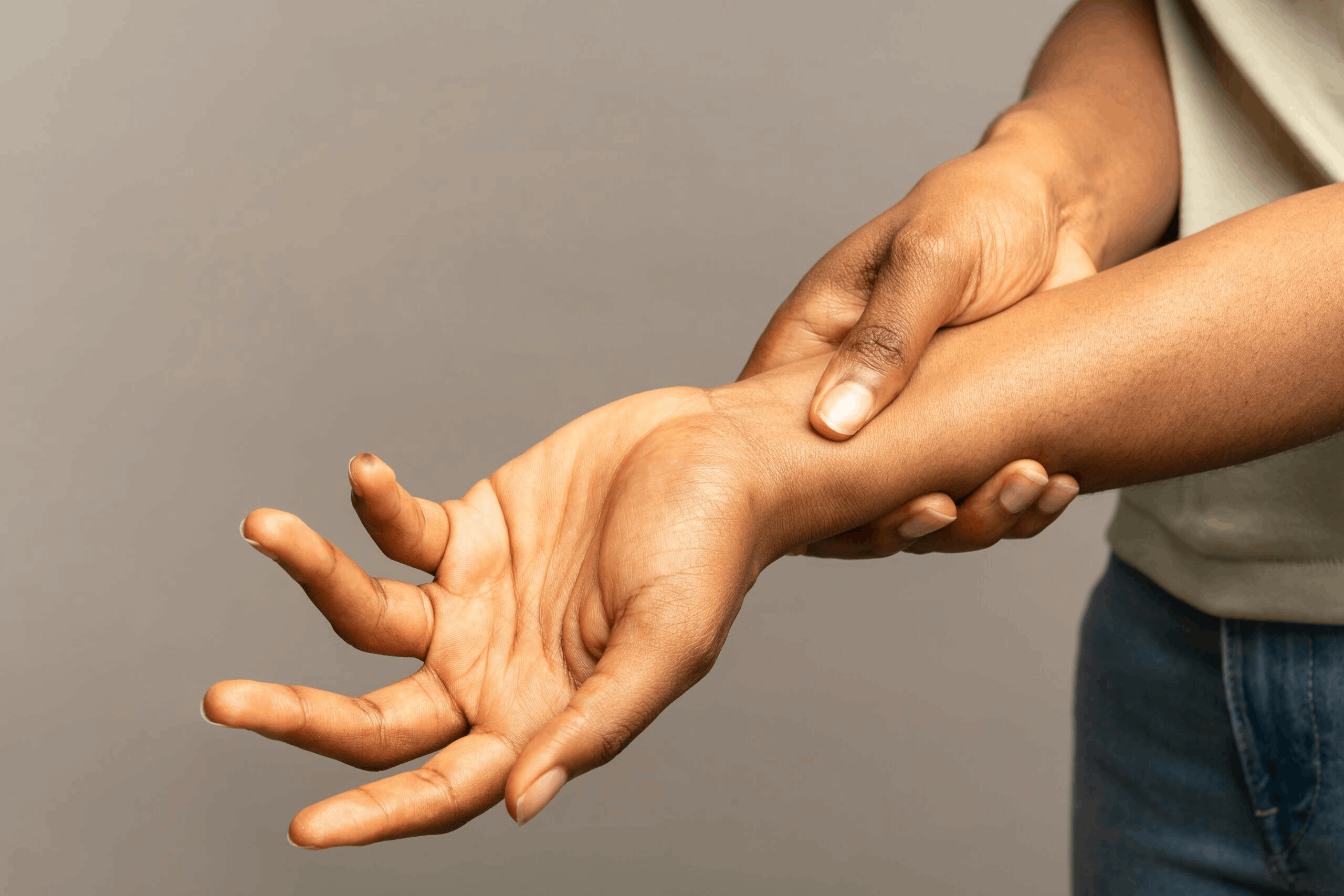
IASTM for Tendinosis: 8-10 Sessions, Expectations, Results
Tendinosis means long-term tendon wear, not quick inflammation. That distinction matters because the fix is different. Instrument-assisted soft tissue mobilization (IASTM) helps by loosening adhesions, boosting blood flow, and triggering stronger tendon repair. Paired with progressive exercises, it shortens recovery, reduces stiffness, and restores strength. This approach replaces vague “rest and hope” with a clear roadmap back to pain-free movement.
Author
Dr. Charles Annunziata DC, CFMP

Muscle pain got labeled as tendinosis and now you are wondering what that even means and what actually fixes it. Picture Maya, a weekend runner with nagging Achilles pain that flares after every hilly 5K. Her doctor says it is tendinosis, not tendinitis, and recommends instrument-assisted soft tissue mobilization. Here is how that plays out in real life and what you can expect.
Tendinosis vs tendinitis in plain English
Tendinitis is short term inflammation. Tendinosis is wear and tear of the tendon over time. With tendinosis the tendon fibers become thickened and messy like frayed rope. That is why pain lingers and stiffness shows up after rest. Repetitive strain and not enough recovery are the usual culprits.
What is IASTM and why it helps
IASTM stands for instrument-assisted soft tissue mobilization. A trained provider uses a smooth handheld tool to scan and massage the sore tendon and nearby tissue. Think of it like gently combing through knots in a rope so the fibers line up again.
For Maya’s Achilles, the tool helps by breaking up sticky adhesions, improving tissue glide, and boosting local blood flow. Better circulation brings oxygen and nutrients that support healing. The mechanical input also nudges the tendon to make stronger collagen and remodel the damaged area. Many people notice pain relief as movement improves. If you are searching for IASTM for tendon pain, this is the technique those articles describe.
What to expect in a session
- Brief visit. Most sessions are short and focused.
Ask if your chiropractor or physical therapist offers instrument-assisted soft tissue mobilization and how it fits with your plan.
The 8 to 10 session tendinosis treatment timeline
Most people do best with 8 to 10 visits over a few weeks. Here is a simple roadmap that matches Maya’s plan.
- Sessions 1 to 3. Calm pain and restore basic motion. Expect light activity only and short walks. You may feel easier movement after the first or second visit.
Important note: IASTM works best when paired with progressive loading exercises and smart training changes. Think of the tool as the reset and the exercises as the save button.
Common questions answered
Does it hurt? You may feel pressure and a dull ache during treatment. It should be tolerable and brief. Speak up so your provider can adjust.
Can I keep training? Usually yes with modifications. Stick to pain that stays mild during and after activity. If pain spikes or lingers into the next day, dial back.
How long until I feel better? Some people notice relief right away. Lasting change usually shows up across several weeks as the tendon remodels.
Is IASTM safe? For most healthy adults, yes. Temporary redness or bruising is the most common side effect. Skip treatment over open wounds, active infections, or if you have a bleeding disorder. When in doubt ask your provider.
Will it help other hot spots? IASTM can also support issues like plantar fasciitis, shoulder pain, knee pain, and certain nerve entrapments such as carpal tunnel by improving soft tissue mobility.
Make it work in daily life
Use the rule of little and often. Short, consistent sessions plus steady exercise beats a single heroic stretch. For Maya that meant two visits