Glute Medius Test: At-Home Single-Leg Squat Guide
Test your glute medius at home with a single-leg squat. Improve hip stability, fix knee/back pain, and know exercises or when to see a pro. Start now.

Author
Dr. Charles Annunziata DC, CFMP

Why one small hip muscle can cause big problems
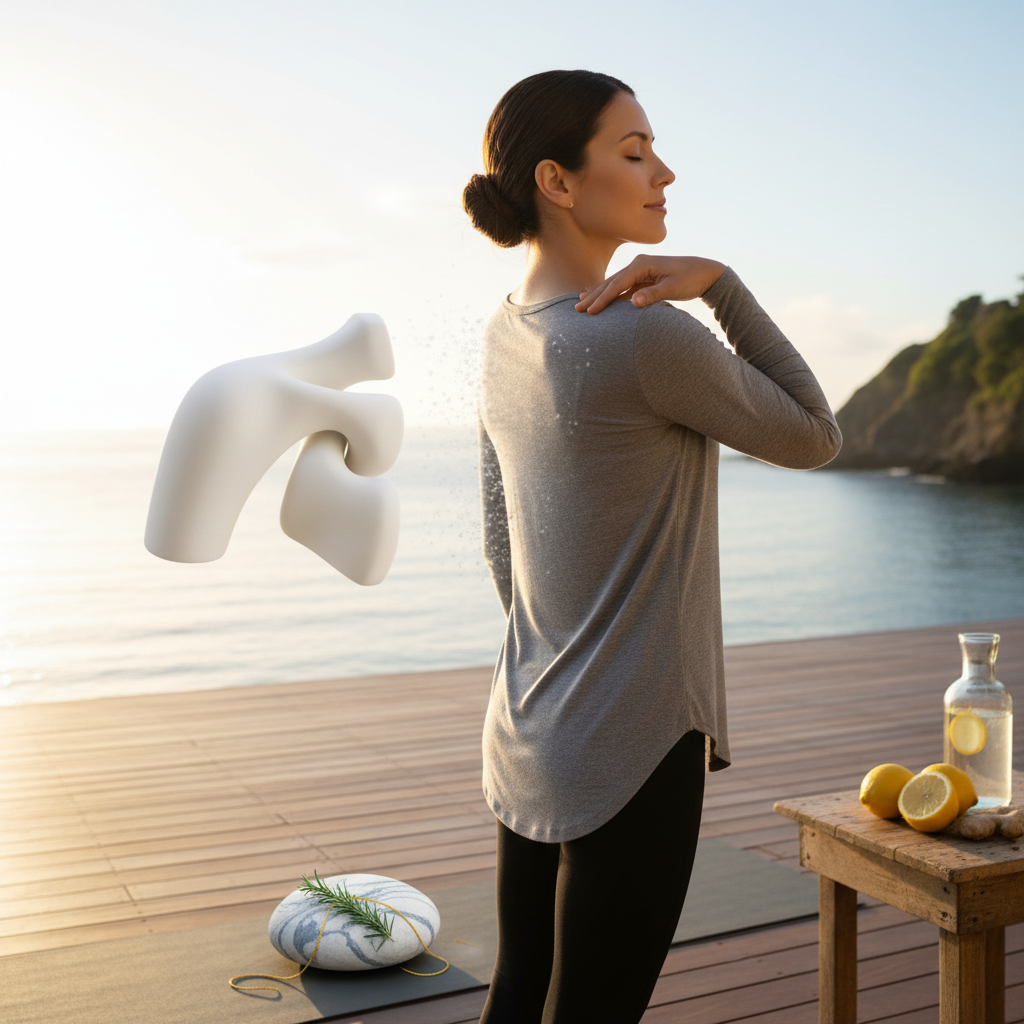
Meet Alex. Desk job, weekend runner, and lately that nagging ache in the low back and outside of the knee after stairs. Alex tried new shoes and more stretching with no change. The overlooked culprit is often the glute medius. This hip stabilizer keeps the pelvis level and controls knee alignment. When it gets sleepy or weak, you see hip drop, knee valgus, and extra stress on the back and knees.
Try this at-home single leg squat test
The single leg quarter squat test is a quick way to check glute medius strength and control. It is functional and mimics daily life better than clamshells on the floor
If Alex’s knee caves inward or the opposite side of the pelvis drops, that signals poor glute medius activation. A little wobble is normal. A clear collapse is not.
What your results mean
Failing the single leg squat test suggests the hip is not controlling the thigh well. This shows up as knee valgus and often leads to knee pain, IT band irritation, or low back strain. Research on EMG shows single leg squats can engage the glute medius to a high level, which is why this test is so revealing for hip stability and pelvic alignment.
Important note. If you already have patellofemoral pain or unstable knees, go gently and use support. Pain is your stop sign.
Fix it with targeted glute medius exercises
You can train this muscle so it fires on time and holds your pelvis steady. Here is the simple plan I gave Alex.
Train three days per week for four weeks. Progress by adding a thicker band or slowing the tempo. Most people feel steadier within two to three weeks. Think of it like tuning the suspension on a bike. Once the shock absorber works, the ride smooths out.
But what if exercises do not fix it
Sometimes the issue is not just strength. The glute medius can be inhibited by irritation in the lower back or at the muscle’s attachments. That is where the origin insertion technique and other soft tissue or chiropractic care can help. A clinician can assess the lumbar spine, hip joint, and the tendon attachments to restore clean nerve input to the muscle. If you are a provider, advanced training in functional diagnosis and hip adjusting can sharpen your approach.
Common questions
How often should I retest? Do the single leg squat test every 2 weeks. Film yourself from the front to track knee and pelvis control.
Should I feel it in my glute? Yes. These glute medius exercises should create a firm, burning fatigue on the side of your hip. Not sharp pain in the knee or back.
Can I still run or lift? If pain is mild and improves as you warm up, reduce volume and add the exercises. If pain spikes or lingers, pull back and get an assessment.